Curiosity Drills Into Mars Bedrock With Chip-Shaped Crystals
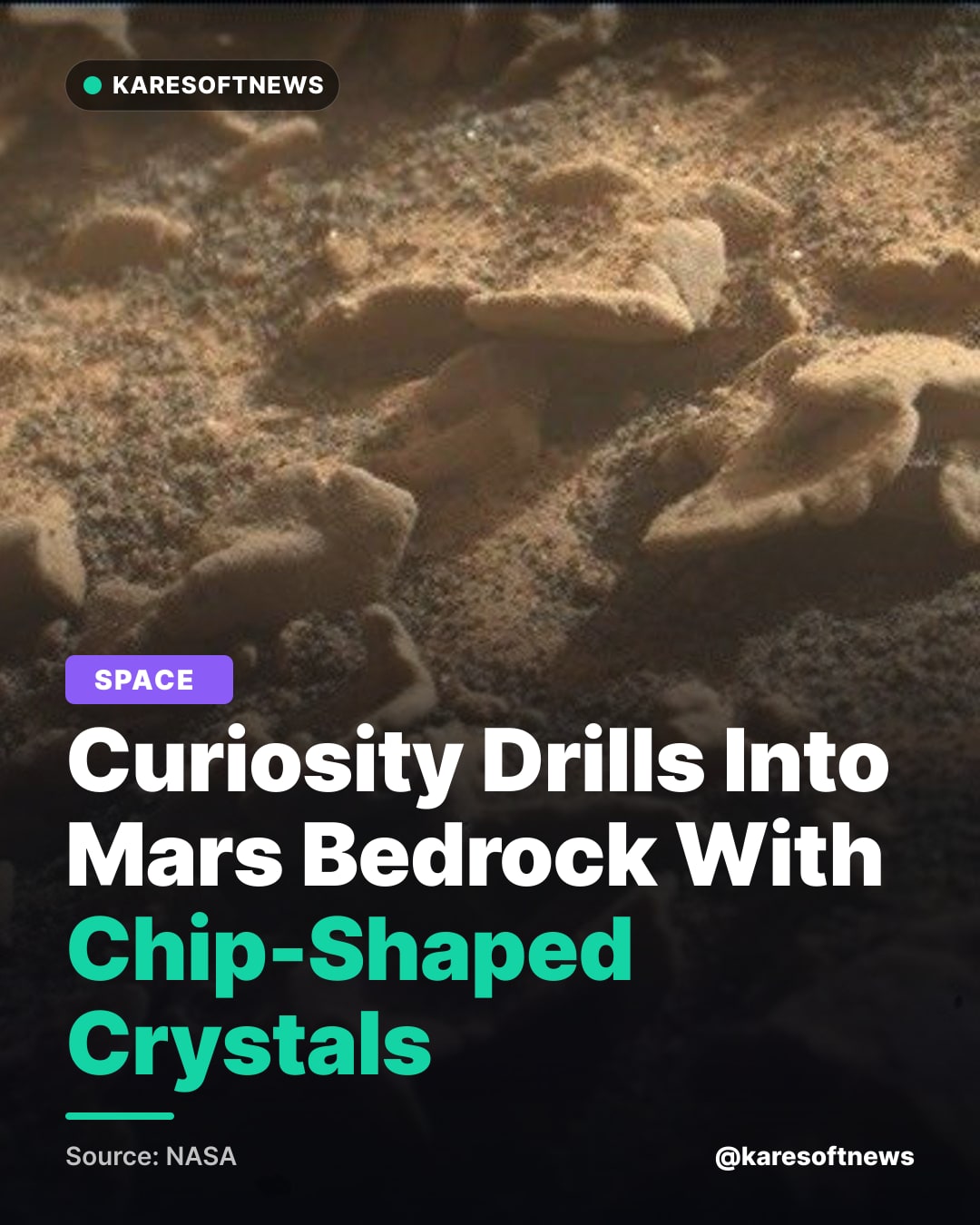
NASA's Curiosity team is in the middle of a drill campaign at a site called the Nazca drill hole, where the bedrock contains disk-shaped crystal forms. The blog post, written by senior research scientist William Farrand of the Space Science Institute, shows how planetary science advances through patient, methodical sampling rather than single dramatic moments. Every drill hole is a decision about where to look and what to measure, and that discipline is what turns rover missions into lasting data. For engineers, data analysts and science communicators, this is a reminder that long-running missions depend on steady planning, careful documentation and teams who can explain findings clearly to the public. The most useful lesson is how routine work can still produce findings worth paying attention to.
Key points
- What happened on Mars NASA's Curiosity rover has been finishing a drill campaign at a spot called the Nazca drill hole this week.
- The key detail The bedrock there holds disk-shaped crystal forms. The blog says a liberal reading makes them potato chip shaped.
- Why it matters Drilling and sampling rock one hole at a time helps scientists understand the geology of Mars.