NASA Tests Self-Guided Landing Tech for Planets
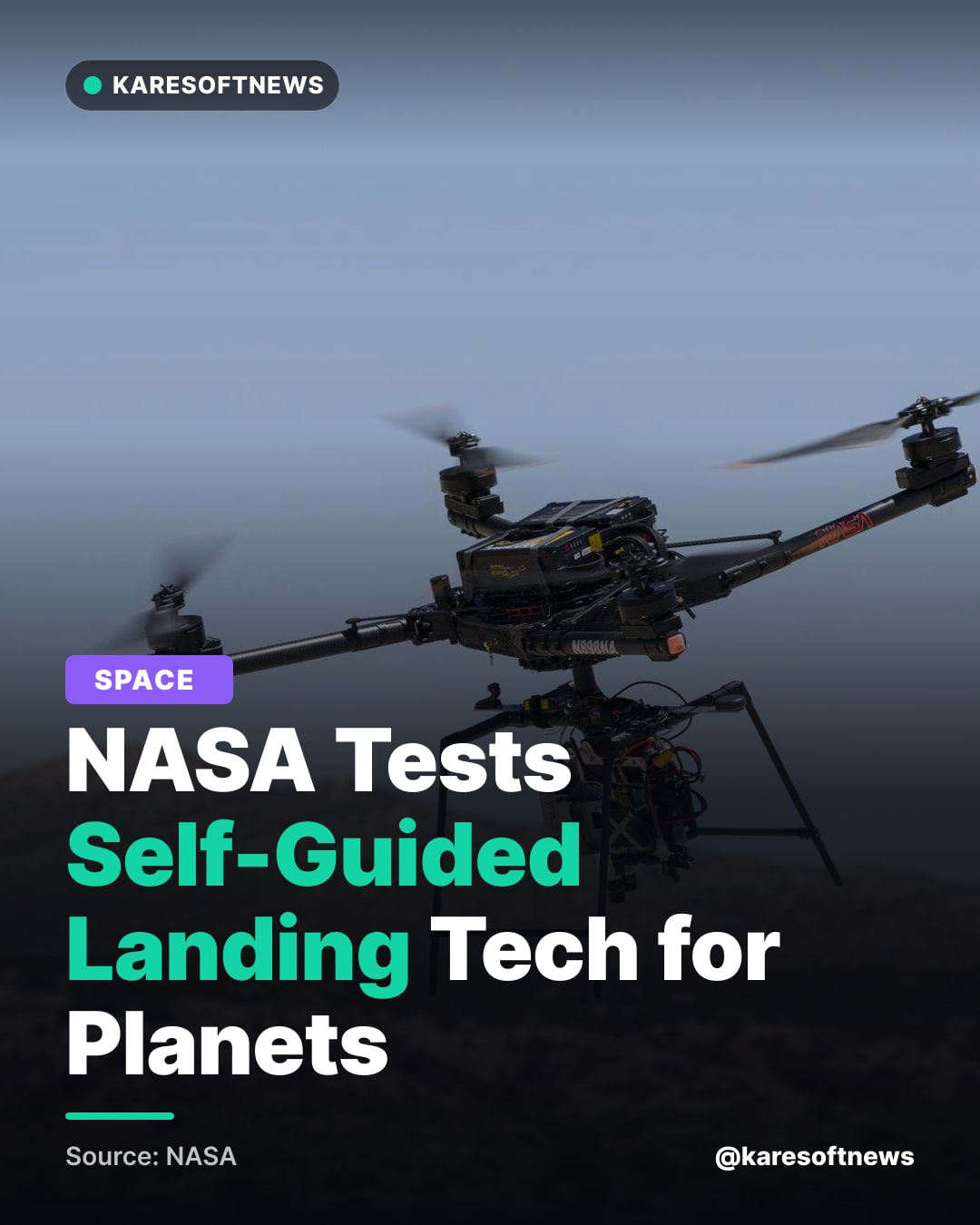
NASA has demonstrated technology designed to help spacecraft navigate autonomously to safe landing sites on the Moon and other planets. An Alta-X drone equipped with the agency's SPLICE (Safe and Precise Landing – Integrated Capabilities Evolution) guidance, navigation, and control payload completed simulated lunar descent and landing maneuvers on Aug. 27.
For the space industry, the significance lies in autonomy. Landing precision and hazard avoidance are among the hardest problems in planetary exploration, and systems that can make these decisions on their own could expand where missions are able to touch down. Advances like this also highlight the growing role of guidance, navigation, and control engineering in aerospace teams.
For engineers and mission planners, this is a reminder that flight software, sensors, and simulation testing are converging. Keep an eye on how this work moves from demonstration to operational use.
Key points
- What happened NASA demonstrated technology that helps spacecraft navigate autonomously to safe landing sites on the Moon and other planets.
- The key detail An Alta-X drone with the SPLICE guidance, navigation, and control payload completed simulated lunar descent and landing maneuvers on Aug. 27.
- Why it matters Landing safely is one of the hardest parts of planetary missions. Autonomous navigation could help future spacecraft choose safer touchdown points.