SPACE · 10 Nov 2026
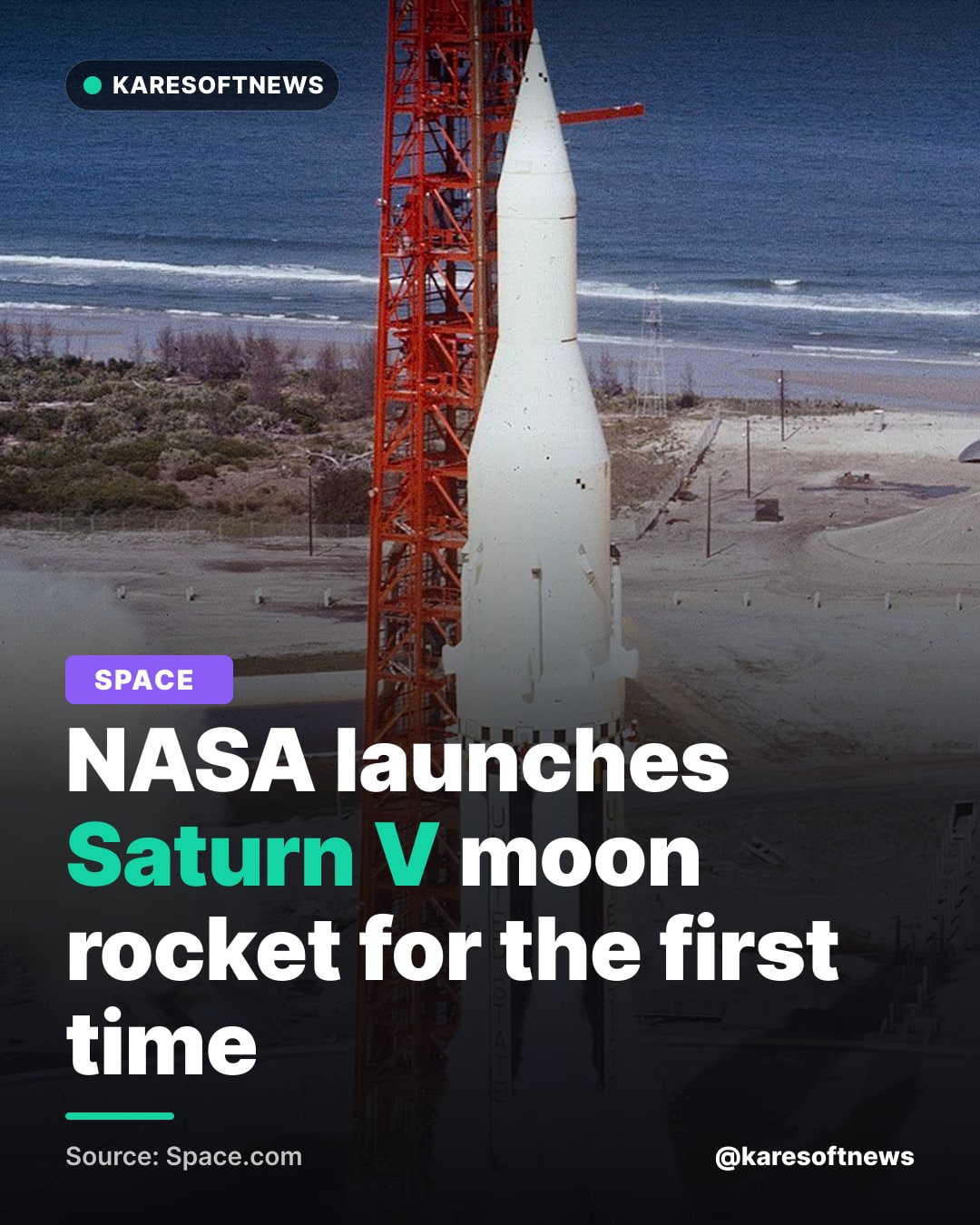
NASA launches Saturn V moon rocket for the first time
Nov. 9, 1967 marks the first launch of the Saturn V moon rocket, flying on NASA's Apollo 4 mission with no astronauts aboard. For anyone working in engineering, aerospace or program management, the lesson is clear: an uncrewed debut is how teams validate a complex system before putting people on it. Testing discipline, clear go and no-go decisions and careful data review are the habits that make later missions possible. Anniversaries like this are a useful reminder that today's space and hardware projects also rely on patient, incremental proof points. What early test milestone in your field taught you the most about reliability?
Key points
- What happened? On Nov. 9, 1967, NASA launched the Saturn V moon rocket for the first time. It flew on the Apollo 4 mission.
- The key detail No astronauts were aboard Apollo 4. This was an uncrewed debut flight for the Saturn V moon rocket.
- Why it matters First flights like this test the rocket before anyone rides it. The Saturn V's debut is a milestone in space history.